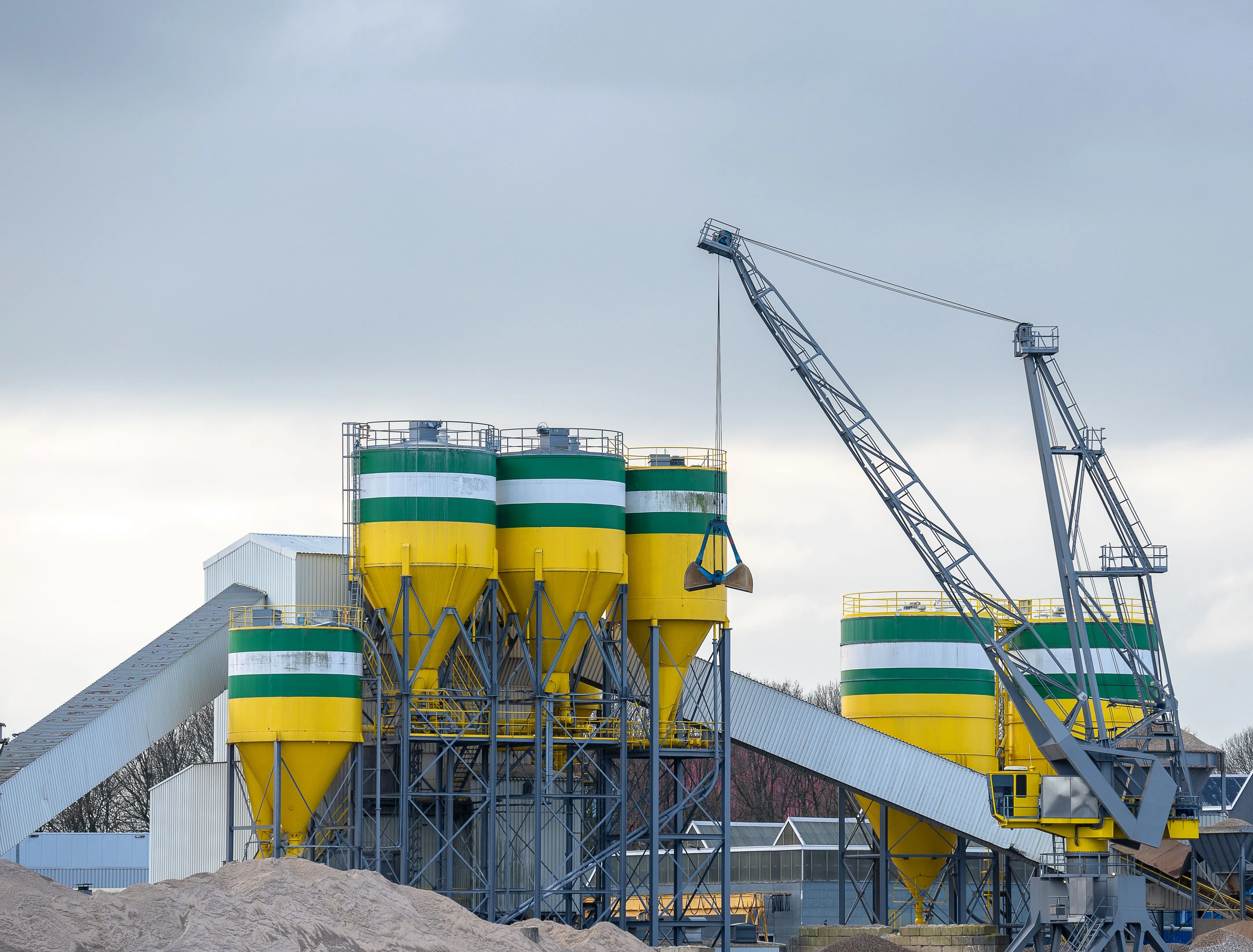
CBAM Reporting for Cement Importers
Complete guide to CBAM compliance for cement and clinker imports. CN codes, calcination emissions, clinker ratio, and benchmarks — explained clearly.
Cement Importers Face Unique Challenges
Calcination Emissions
Cement production releases CO₂ through chemical calcination — unavoidable regardless of fuel type.
Clinker Ratio Matters
The clinker-to-cement ratio directly determines emission intensity. Higher clinker = higher CBAM cost.
Limited Mitigation Options
Unlike steel or aluminium, cement has fewer decarbonization pathways in the short term.
Precise Data Required
Accurate clinker content and fuel consumption data are essential for correct CBAM reporting.
CBAM-Covered Cement CN Codes
| CN Code | Product | Benchmark |
|---|---|---|
| 2523 | Portland cement, hydraulic cements | 0.666 tCO₂e/t |
| 2523 10 | Cement clinkers | 0.666 tCO₂e/t |
| 2523 21 | White Portland cement | 0.666 tCO₂e/t |
| 2523 29 | Other Portland cement | 0.666 tCO₂e/t |
| 2523 30 | Aluminous cement | 0.666 tCO₂e/t |
| 2507 | Kaolin and kaolinic clays | — |
How CbamTrack Helps Cement Importers
Clinker Ratio Calculation
CbamTrack automatically calculates emissions based on your clinker-to-cement ratio and fuel mix.
Process Emission Handling
Calcination emissions are computed correctly per IR 2025/2621 methodology.
One-Click Reports
Generate quarterly CBAM declarations with all required fields, compliant with IR 2025/2621.
Audit-Ready Output
PDF and XML export formats accepted by EU competent authorities.
Frequently Asked Questions
Which cement CN codes are covered by CBAM?▼
CBAM covers cement products under CN 2523 (Portland cement, aluminous cement, slag cement, hydraulic cements) and CN 2507 (kaolin). The primary code is 2523 for most cement imports.
What is calcination and why does it matter?▼
Calcination is the chemical process of heating limestone (CaCO₃) to produce clinker (CaO), releasing CO₂ in the process. This accounts for approximately 60% of cement's embedded emissions and cannot be avoided regardless of fuel type.
What is the cement benchmark?▼
The benchmark for cement (CN 2523) is 0.666 tCO₂e/tonne under IR 2025/2620. This is lower than steel or aluminium because cement has lower emission intensity per tonne.
How does clinker ratio affect my CBAM cost?▼
The clinker-to-cement ratio is the primary driver of emission intensity. Higher clinker content means more calcination emissions. Modern EU plants use 60-70% clinker, while some imports use 80-95%. Accurate clinker data reduces your reported emissions.
Can I use alternative fuels to reduce cement CBAM costs?▼
Yes. Alternative fuels (biomass, waste-derived fuels) reduce the combustion emission component of cement production. However, calcination emissions remain constant regardless of fuel type. Using verified fuel mix data helps reduce your reported emissions.
What documentation do I need for cement CBAM reporting?▼
You need: clinker content percentage, fuel consumption data (type and quantity), electricity consumption, and country of production. Supplier declarations should include these details per the CBAM Communication Template.
Ready to Simplify Cement CBAM Compliance?
Join importers who save hours on quarterly reporting with CbamTrack.
Start free — no credit card required.